

The wizarding world is opening its doors again—this time as a long-form streaming saga—with brand-new faces taking on roles that defined a generation. For fans of the harry potter hbo series, the big question isn’t whether the magic will return, but how these new performances will echo, evolve, or upend what we loved about the original film ensemble.
Meet the New Hogwarts: Key Cast Swaps at a Glance
HBO has locked a seven-season plan, starting at year one with an all-new trio: newcomer Dominic McLaughlin as Harry, Arabella Stanton as Hermione, and Alastair Stout as Ron. It’s a back-to-basics approach—casting actors around 11, mirroring how Daniel Radcliffe, Emma Watson, and Rupert Grint entered the franchise. McLaughlin brings stage discipline from Performance Academy Scotland, Stanton arrives with West End credentials (Matilda the Musical), and Stout is the wildcard, much like Grint was in 2001. It’s the right energy: fresh, trainable, and ready to grow on-screen across a decade.
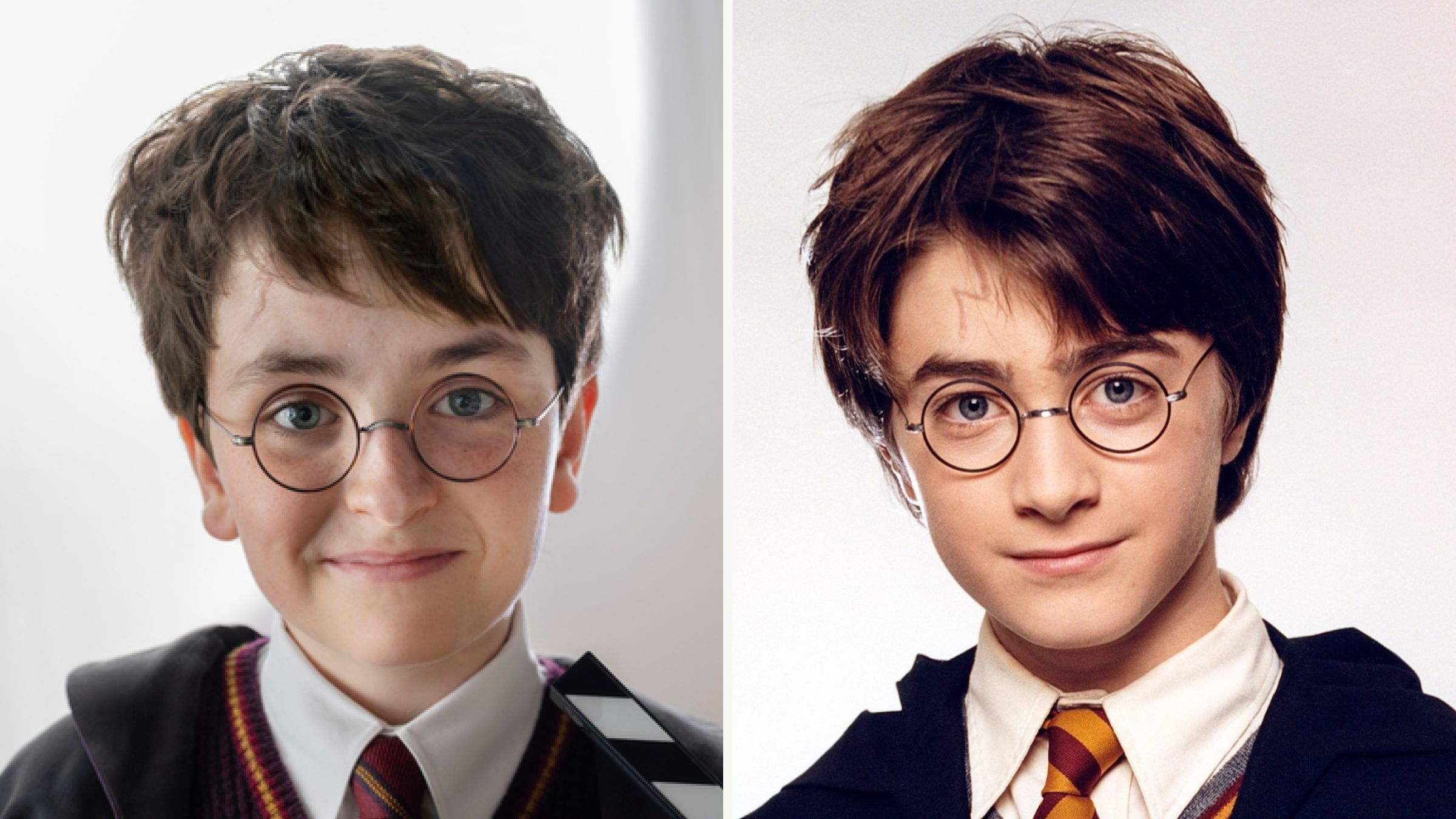
Beyond the trio, the staff room and common rooms are packed with intriguing contrasts:
- Albus Dumbledore: John Lithgow follows Richard Harris and Michael Gambon. He’s confirmed he’ll lean into an English accent with a dialect coach. Expect gravitas with a twinkle—Lithgow’s theater pedigree and The Crown-like poise fit the job.
- Minerva McGonagall: Janet McTeer inherits Maggie Smith’s mantle. McTeer’s cool command (Ozark, Jessica Jones) signals a precise, steel-spined McGonagall that can still land a dry zinger.
- Severus Snape: Paapa Essiedu follows the late Alan Rickman. Essiedu (I May Destroy You, Gangs of London) should bring coiled intensity and moral ambiguity—ideal for a book-faithful slow-burn arc.
- Rubeus Hagrid: Nick Frost replaces Robbie Coltrane. The casting leans into warmth and working-class humor; expect cuddly chaos with real heart.
- Draco and Lucius Malfoy: Lox Pratt steps in for Tom Felton, with Johnny Flynn succeeding Jason Isaacs. Flynn’s elegant menace (Ripley) sets a silk-gloved precedent for the Malfoy image machine.
- Dursleys: Bel Powley and Daniel Rigby take over from Fiona Shaw and Richard Griffiths, a pairing that suggests a darker-comic suburbia rather than pantomime villainy.
- Quirinus Quirrell: Luke Thallon (theater standout) revisits Ian Hart’s bookworm-turned-host reveal, a role tailor-made for stagecraft and micro-tension.
- Molly Weasley: Katherine Parkinson (The IT Crowd) following Julie Walters promises warmth, wit, and a mum-on-a-mission vibe.
- Garrick Ollivander: Anton Lesser, after John Hurt—expect hushed, almost devotional line readings. Wandlore as poetry.
- Professor Flitwick: Warwick Davis returns, a welcome bridge to the films and a reassuring note for long-time fans.
It’s also notable how deep HBO is going into the student body. Freddie- and George-like prank energy continues with twins Tristan and Gabriel Harland; Rory Wilmot (Neville) and Gracie Cochrane (Ginny) arrive early, hinting that the series will seed later heroics from the start. And yes—more than 30,000 children reportedly auditioned for the core cohort, underscoring HBO’s search for fresh, durable talent.
What a Seven-Season Canvas Means for Casting
The harry potter tv series hbo format isn’t just a reboot; it’s a structural rethink. With book-faithful pacing and whole-year arcs, character casting can track nuanced growth the films had to compress. That changes the brief for nearly every role:
- Snape’s complexity can surface earlier, requiring an actor (Essiedu) adept at shading cruelty with buried care. Expect more breadcrumbing toward The Half-Blood Prince revelations.
- Dumbledore’s mentorship becomes a season-by-season masterclass. Lithgow’s stagecraft fits the slow reveal of a chessmaster Headmaster.
- McGonagall’s leadership won’t be limited to quips and detentions; with time, we’ll see her House-building, wartime calculus, and a teacher’s quiet victories.
- Quidditch and House culture expand. Expect screen time for Angelina Johnson, Oliver Wood, and Alicia Spinnet—roles recast with up-and-coming talent primed for team dynamics.
- Ghosts and omitted book elements (like Professor Binns) return, demanding actors who can deliver exposition with personality.
Casting younger means the show can mirror how school years reshape identity: awkwardness to agency, crushes to courage. That’s a smart bet—audiences bond with growth they can measure. It’s also a test of stamina and direction; consistency coaching, dialect work, and ensemble chemistry will be critical. HBO has historically excelled at this (see House of the Dragon’s multiyear planning), which bodes well for the harry potter hbo series.
Winners of the Like-for-Like Game (and Where Recasting Will Shift Tone)
Some choices feel engineered to preserve the films’ “feel,” while others push toward fresh tone. Here’s where the balance lands so far:
- Closest continuity: Warwick Davis as Flitwick. A living thread between versions that instantly signals respect for the original.
- Best “essence match” with new dimension: Janet McTeer’s McGonagall. Expect Maggie Smith’s authority with added pastoral nuance.
- Biggest pressure-cooker role: Paapa Essiedu’s Snape. He won’t echo Rickman—and shouldn’t. A more visibly wounded, modernly antagonistic Snape could sharpen later reveals.
- Sneaky MVP potential: Johnny Flynn’s Lucius. Polished malice can elevate early Slytherin politics and make the Malfoys a prestige-drama throughline.
- Heart-anchor: Nick Frost’s Hagrid. If the humor lands, he’ll cushion darker beats in Chamber and Azkaban-era arcs.
- Big swing with high upside: John Lithgow’s Dumbledore. His promise of a crisp English cadence plus theatrical warmth could unify the school’s moral center.
Actionable watchlist to sample the new tone before premiere:
- John Lithgow in The Crown or Conclave for patrician presence and soft power.
- Paapa Essiedu in I May Destroy You or Black Mirror for layered intensity.
- Janet McTeer in Ozark for “steel in velvet” leadership.
- Nick Frost in Shaun of the Dead for big-hearted comedy timing.
- Johnny Flynn in Ripley and Emma for charm weaponized into menace.
- Bel Powley in The Morning Show to preview brittle, suburban-edge energy.
For the trio, embrace the unknown. The original films found lightning in a bottle by letting kids learn on-camera with elite scene partners. HBO is repeating that formula—backed by dialect coaches, movement work, and a longer runway. If you want a preview, look for Dominic McLaughlin’s emerging TV roles (Gifted, Grow) and Arabella Stanton’s theater clips; their training suggests consistency and vocal clarity, which matter more across seven seasons than a single breakout scene.
Practical tips to get the most from the harry potter series hbo:
- Re-read Year One to spot beats the films trimmed (Hagrid’s dragon subplot, classroom textures, ghost lore). These moments inform how new actors calibrate performances.
- Follow casting updates on HBO and Warner Bros. Discovery socials; ensemble depth will keep expanding, especially in Hufflepuff and Ravenclaw.
- Track dialect and growth: early interviews often reveal how actors approach accents and physicality—useful clues for character arcs.
- Set a rewatch plan: revisit Sorcerer’s Stone and Chamber to compare scene-by-scene once Season 1 drops. It’s the cleanest way to see what reinvention adds.
Conclusion
This isn’t a museum replica. It’s a restoration that invites reinterpretation without discarding what worked. The original film cast gave us defining archetypes; HBO’s ensemble looks primed to deepen them with time, texture, and book-accurate pacing. If you keep an open mind—and a keen eye for performance detail—you’ll spot where the show honors the legacy and where it forges something new. For lifelong fans and curious newcomers, that’s the real magic of a modern, long-form Hogwarts.